
Breast cancer treatment is a significant physical and emotional experience. Surgery, radiation, chemotherapy, and reconstruction can all impact the body in ways that extend beyond the initial diagnosis. While oncology teams focus on treatment and ongoing monitoring, the process of restoring movement, strength, and function often requires additional support.
This is where physical therapy can play an important role.
Depending on the type of treatment received, it is common to experience changes such as shoulder stiffness, limited range of motion, scar tissue restrictions, postural changes, chest wall tightness, fatigue, or general deconditioning. Activities that once felt routine, such as reaching overhead or lifting, may feel different or more difficult. These changes are not unusual, and in many cases they can be addressed with the right guidance and approach.
Another consideration following breast cancer treatment is lymphedema. This condition can develop when the lymphatic system is disrupted, often due to lymph node removal or radiation. The lymphatic system plays a role in fluid balance, and when it is affected, fluid can accumulate in areas such as the arm, chest wall, or surrounding tissues. Some people may notice a sense of heaviness, mild swelling, or tightness in the skin. Early awareness and management are important, as appropriate strategies can help manage symptoms and reduce progression over time.
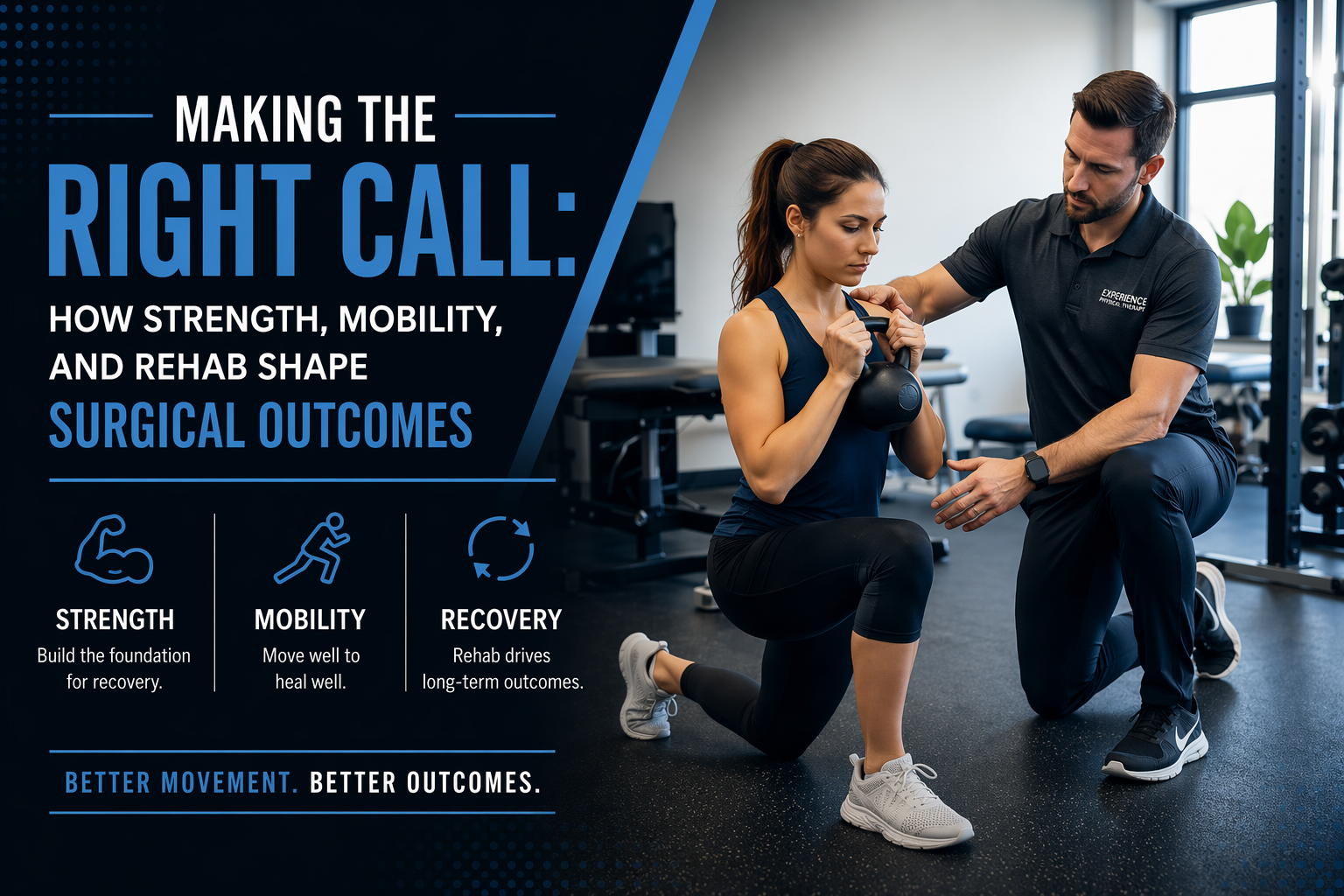
Physical therapy in this setting focuses on helping individuals move safely and confidently while supporting overall function. This may involve restoring range of motion, rebuilding strength, improving posture, and addressing tissue restrictions that develop after surgery or radiation. It can also include education around how to gradually return to activity, along with guidance on how to monitor symptoms and respond appropriately.
For individuals who are at risk of lymphedema, exercise is often introduced in a gradual and structured way. When progressed appropriately, movement and strengthening can support circulation and help the body adapt to activity demands. The goal is not to avoid movement, but to build tolerance in a way that feels manageable and sustainable.
Timing can also make a difference. Addressing mobility limitations and tissue changes earlier in the recovery process can help reduce the likelihood of compensations and ongoing discomfort. It can also support a smoother return to daily activities, work, and exercise. In many cases, people do not need to wait until symptoms become more significant to begin working on movement and function.
Recovery after breast cancer treatment is not only about healing, but also about regaining a sense of control and confidence in the body. That process often works best when care is collaborative. Physical therapists can work alongside oncology providers, surgeons, and other members of the care team to ensure that movement-based care aligns with the broader treatment plan.
At Experience Physical Therapy, the focus is on providing individualized care that supports each person’s goals while staying aligned with their medical team. For those who want continued structure after formal therapy, there are also options to maintain strength, mobility, and consistency beyond the clinic setting.
Breast cancer recovery does not end when treatment is complete. Restoring movement, strength, and function is an important part of returning to daily life. If you are experiencing stiffness, weakness, swelling, or changes in how your body moves, or if you simply want guidance on how to progress safely, there are ways to support that process over time.
Recovery is not a single step. It is a progression, and you do not have to navigate it on your own.